1. Rehabilitation Center Assist
  2. Acupuncture & moxibustion

Hari & KyuAcupuncture & moxibustion for visitors to Tokyo

Japanese acupuncture,
five minutes from Ueno.

Legs that have walked too far. A neck that never recovered from the flight. Sleep that still thinks it is in another time zone. Lie down for an hour with a nationally licensed acupuncturist who is also a physical therapist — at our studio in Minowa, or in your own hotel room.

  • Nationally licensed
  • Single-use needles
  • English booking & notes
  • Hotel visits
  • Cards & PayPay
  • Tattoos welcome
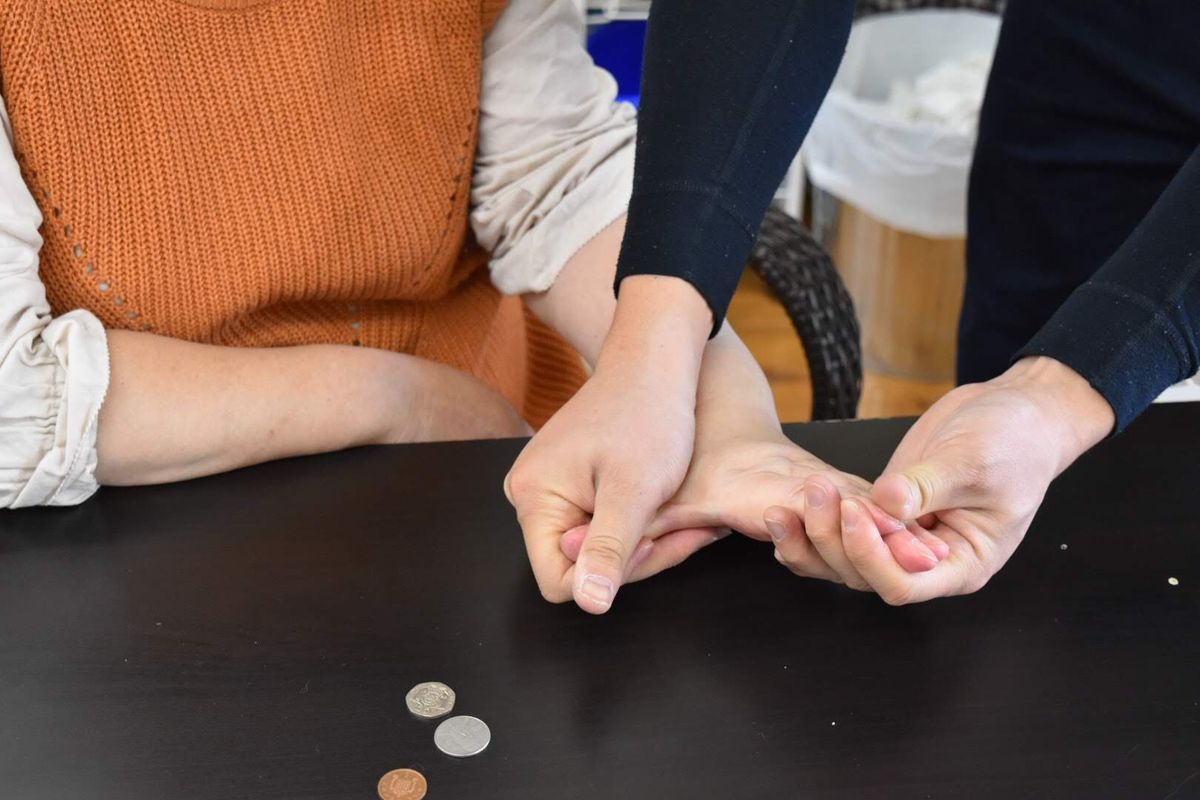
A therapist working with both hands on a client's hand at a treatment table

For whomGood reasons to come in

One hour on the table, and the rest
of your trip feels different.

  • You walked too farHeavy legs, sore feet, and a lower back that has had enough of temples and museums.
  • The flight is still with youStiff neck and shoulders, swollen ankles, a head that feels one size too small.
  • Jet lag will not liftA late-afternoon session, then a night of sleep that actually lands.
  • An old injury came alongA knee, shoulder or back you travel with. Assessed by a physical therapist before a single needle.
  • You are curious about hari and kyuYou have read about it. This is the unhurried version, explained as we go.
  • You are here for a whileWorking in Tokyo for a few weeks or months? Ask about a short course of sessions.

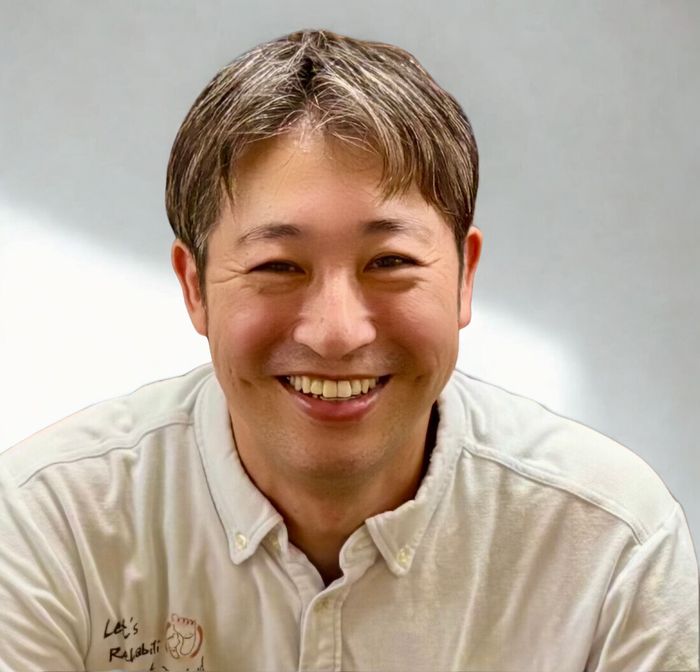
Your practitionerWho will be treating you

Two licences, one pair of hands.

Takamitsu Fujii

Director, Assist Co., Ltd.

Licences
Acupuncturist (はり師 hari-shi) and moxibustion practitioner (きゅう師 kyu-shi); physical therapist; certified care manager. All are Japanese national qualifications.
Since 2008
Physical therapist in acute-care and rehabilitation hospitals, an orthopaedic clinic, and home-visit rehabilitation across Tokyo
2014
Founded Assist Co., Ltd. in Arakawa, Tokyo
Locally
Arakawa branch chair, Tokyo Physical Therapy Association

Most of what we do is not for tourists at all. Assist is a rehabilitation company: a day-rehabilitation studio, a visiting-nurse station, home care, and a wheelchair-accessible taxi service, all in the same neighbourhood of north-east Tokyo. Our work is helping people keep the use of their bodies.

That is the background you get on the table. Needles and moxa for the nervous system, circulation and pain; hands and a couple of exercises for the mechanics. Most people leave with some of each, and with a written note of what to do about it for the rest of the trip.

Good to know

About English

Your intake form, your treatment notes and your receipt are all in English. The spoken conversation is English plus a translation app where a word runs out — it works well, and we would rather tell you now than surprise you on the table. If you would like a fully fluent conversation about a complex medical history, say so when you book and we will tell you honestly whether we can do it justice.
Good to know

What this is not

This is treatment, not a spa package and not a tourist show. There is no aromatherapy soundtrack and nobody will hand you a kimono. It is also not medical diagnosis: acupuncture and moxibustion do not replace a doctor, and if something you describe belongs in a hospital we will say so and help you get there.

TreatmentsWhat a session is made of

Needles, warmth, and a pair of
physiotherapist's hands.

01鍼 — Hari

Acupuncture

Japanese-style needling: very fine needles, inserted shallowly, often with a guide tube. If you have had acupuncture elsewhere, expect this to be gentler. Most people feel a dull, spreading heaviness rather than a sharp point, and a fair number fall asleep. Used for muscular pain, headaches, poor sleep, digestion, and the flat tiredness that comes with long travel.

02灸 — Kyu

Moxibustion

Dried mugwort, warmed over a point until the heat sinks in, then removed before it becomes uncomfortable. It is the quiet half of the treatment and the half most visitors have never tried. Good for cold hands and feet, stiff old injuries, and for settling the whole system down at the end of a session.

03Rehabilitation

Hands and movement

Manual therapy on the joints and soft tissue, and two or three exercises you can actually do in a hotel room with no equipment. This is the part that comes from the day job: if your shoulder has been stiff for nine years, needles alone are not going to keep it loose once you fly home.

04Options

Things you can add

None of these are compulsory and none of them are upsold on the table. Ask for them when you book, or say yes during the consultation — we will tell you the price before we start. Cupping leaves round marks for a few days, so consider your holiday photographs first.

  • Cupping
  • Ear seeds to take away
  • Kinesiology taping
  • Extra 15 minutes
  • Second guest, same visit

Prices for options

PricePrices, in full

Four ways to book.
No surprises at the desk.

Every price on this page includes 10% Japanese consumption tax. There is no first-visit surcharge, no membership, and no course you have to sign up for. Cash, major credit cards and QR payment (PayPay) are all fine.

Traveller's Reset

50 minutes

¥15,000incl. tax

  • Legs, feet, neck and shoulders
  • Acupuncture and moxibustion, focused on what you name
  • Short consultation

The one to book on a travel day, or as a first try.

Deep Reset

110 minutes

¥32,000incl. tax

  • Everything in the Signature session
  • Extended manual therapy and cupping
  • Exercise plan you can keep using at home

For long-standing trouble, or a long stay in Japan.

At your hotel

75 minutes, we come to you

¥36,000incl. tax & travel

  • Your hotel room or accommodation
  • We bring the table, linen and everything else
  • Travel anywhere in the 23 wards included
  • 110 minutes: ¥50,000

Best for late arrivals, families, and anyone who would rather not go out again.

Options and extras

Extra 15 minutes¥4,500 — added to any session, decided before we start
Cupping¥3,000 — included in Deep Reset. Round marks fade in three to seven days
Ear seeds to take away¥1,500 — small adhesive seeds you can press yourself for a few days
Kinesiology taping¥1,500 — per area, for a knee or shoulder that has to keep walking
Second guest, same hotel visit¥28,000 — 60 minutes, treated after you. No second travel charge
Itemised receipt in EnglishFree — for travel insurance or an employer. Ask at the desk

Hotel visits: travel anywhere in Tokyo's 23 wards is included in the price, and we will quote before you commit if you are staying further out. In-room treatment needs the accommodation's permission — most Tokyo hotels are used to it, a few are not, so tell us the hotel name when you book and we will check for you.

Cancellation: free up to 24 hours before your appointment. Within 24 hours we charge 50%, and 100% for a no-show, because the slot cannot be resold at that notice. Flights are late and trains stop — if something goes wrong on the day, call us and we will do what we can. These sessions are private and self-pay, so nothing is billed to Japanese health insurance. The price covers the length of the session, an English consultation with written notes and receipt, and — for hotel visits — our travel to you.

Your visitHow an appointment runs

From the door to the street,
about a hundred minutes.

  1. 01

    Book

    Use the form at the bottom of this page, or email us. Tell us your dates, what hurts, and where you are staying. We reply in English, usually within one business day.

  2. 02

    Arrive

    Come ten minutes early. Shoes off at the door, as in any Japanese building. Wear or bring loose, comfortable clothing — leggings and a t-shirt are ideal.

  3. 03

    Consultation

    Ten to fifteen minutes. What brings you in, how you are sleeping, what you have been doing to yourself on this trip, and anything in your medical history we should know. Then a physical assessment where it is relevant.

  4. 04

    Treatment, then tea

    Needles, moxa and hands. You will be warm and mostly still. Afterwards: a cup of tea, a written plan in English, and payment. No pressure to book again.

The boring things, written down

  • Needles are used oncealways

    Pre-sterilised, individually packed, single-use needles, disposed of in a sharps container the moment they come out. Nothing is ever re-used, on anybody.

  • Tell us about these before you book

    Pregnancy, a pacemaker or other implanted device, blood thinners, a bleeding disorder, recent surgery, epilepsy, or a real fear of needles. Some change what we do; almost none of them mean no.

  • How you will feel afterwards

    Loose, warm and often sleepy for a few hours. A small bruise at a point happens occasionally and fades. Drink water, go easy on alcohol for the evening, and do not book a long onsen visit for straight afterwards.

  • Tattoos are welcomeno rules here

    Unlike many bathhouses, we have no tattoo policy. Come as you are.

  • Children and family members

    We treat teenagers and adults. For younger children, ask us first — gentle, non-inserted techniques exist, and we will tell you whether it is worth your time.

  • Your privacy

    What you tell us stays with the practitioner treating you. Our full policy is on the Japanese site, and we can explain any part of it in English.

AccessGetting here

Minowa: old Tokyo, five minutes from Ueno.

We are in Arakawa, the quiet north-east corner of the city, between Ueno and the Sumida river. It is the Tokyo of shopping streets and two-storey houses rather than towers — and it is closer to the tourist map than it looks.

By train

  • Minowa Station, Tokyo Metro Hibiya Line — 5 minutes on foot
  • Minowabashi, Tokyo Sakura Tram (Toden Arakawa Line) — 3 minutes on foot
  • Ueno is about 5 minutes away on the Hibiya Line; the same line runs on to Akihabara, Ginza, Roppongi and Ebisu without changing
  • Asakusa is roughly ten minutes by taxi, or a half-hour walk along the back streets

When you get close

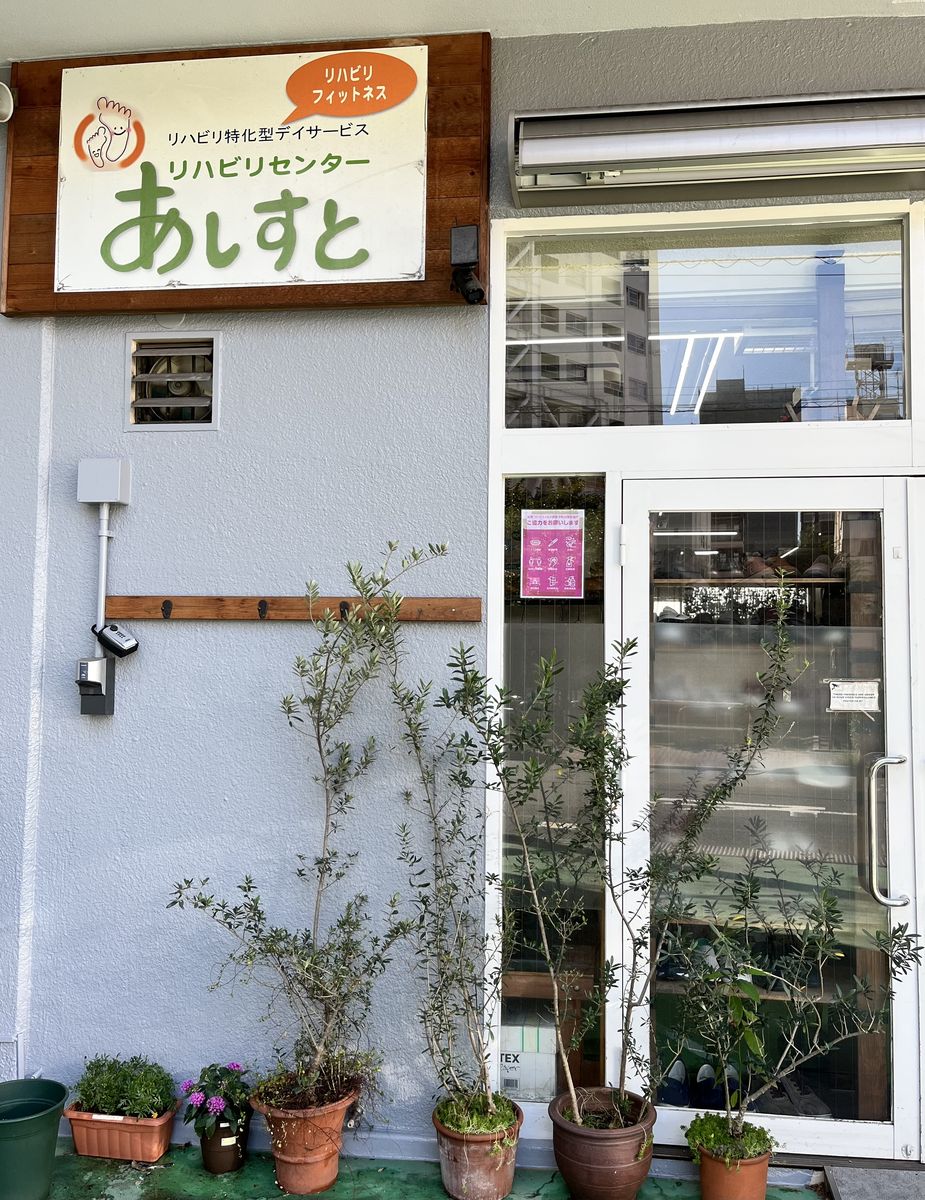
Look for the wooden sign with the orange footprint and the word あしすと, above a glass door with potted olive trees outside. If you cannot find it, call and we will come out to the street for you.

Address Mon Cher Minowa 1B, 1-16-1 Higashi-Nippori, Arakawa-ku, Tokyo 116-0014

In Japanese, to show a taxi driver 東京都荒川区東日暮里1-16-1 モンシェール三ノ輪1B

Open in Google Maps →

alsoGetting around, if walking is hard

Assist also runs a wheelchair-accessible taxi service with drivers trained in personal care, covering Arakawa and the neighbouring wards. If a wheelchair or a stretcher is part of your trip, mention it when you book the treatment and we will arrange the journey too.

FAQQuestions people ask first

Everything you were going to email us anyway.

QDoes it hurt?
A

Japanese-style needles are among the thinnest used anywhere — finer than a sewing needle, and inserted only a few millimetres in most places. Insertion itself is usually not felt. What you do feel is a dull, heavy, spreading sensation around the point, which is the part that is doing the work. If anything is genuinely painful, say so and it comes straight out.

QDo I need to speak Japanese?
A

No. Booking, your intake form, your treatment notes and your receipt are all handled in English. The spoken conversation is English supported by a translation app where a word runs out. Nobody is left guessing what is about to happen to them.

QHow far ahead should I book?
A

Two or three days is comfortable, and a week is better in spring and autumn. Same-day requests are worth sending — we sometimes have a gap — but weekday afternoons are the easiest slots to find. Evenings and weekends can usually be arranged if you ask in advance.

QCan you really come to my hotel?
A

Yes. We bring a folding table, clean linen and everything else; you need a floor space about two metres by one. The only catch is the hotel's own rules — most Tokyo hotels are used to in-room treatments, a few are not. Give us the hotel name when you book and we will confirm before you pay anything.

QCan I go to an onsen or drink afterwards?
A

Leave a few hours before a long hot bath, and go easy on alcohol the same evening — both do the opposite of what the treatment is for. A short shower is fine. Water, food and an early night are the ideal follow-up, which is admittedly not what most people are in Tokyo for.

QHow do I pay, and is tipping expected?
A

Cash in yen, major credit cards, or QR payment such as PayPay. Prices on this page include tax and there are no service charges added at the end. Tipping is not a custom in Japan and we would rather you did not — if you want to say thank you, tell a friend or leave us a review.

QWe are two or three people travelling together.
A

That works. At the studio we can usually book consecutive slots so nobody waits long. At a hotel, a second guest in the same visit is ¥28,000 for 60 minutes, with no second travel charge. For three or more, write to us and we will put a plan and a total together before you decide.

QWill my travel insurance cover it?
A

That depends entirely on your policy, and we cannot promise anything. What we can do is give you an itemised receipt in English showing the date, the practitioner, the licences held, and what was done. Ask at the desk and it takes a minute.

BookingRequest an appointment

Tell us when, and
what hurts.

Send the form and we will reply in English with a time, a price, and directions. Nothing is confirmed until we write back, and nothing is charged until you are here.

+81 3-6806-8691Rehabilitation Center Assist

Phone 9:00–17:00 on weekdays, Japan time. Evenings and weekends by arrangement

trlab.assist@gmail.com

We ask about your body and your health in order to treat you safely. What you write here is used for your appointment and nothing else. The full privacy policy is on our Japanese site; ask us and we will explain any part of it in English.

Not sure which session to book? Describe what is bothering you and we will suggest one. It is genuinely easier for us that way.

Booking request

This is a request, not a confirmed booking. We reply in English, usually within one business day.

Your trip is short. Your back does not care.

Write to us in English. We will tell you honestly whether an hour with us is worth your time.